Key takeaways
- Kudo Care Dental is open Saturday 9–6 and Sunday 9–1 with walk-ins welcome, so many weekend toothaches can be seen the same day.
- For home relief, take an over-the-counter pain reliever exactly as labeled, hold a cold compress on your cheek and rinse with warm salt water.
- Never put aspirin on your gums, don’t use heat on a swollen face and don’t take leftover antibiotics.
- Go to the ER for swelling spreading to your eye or neck, trouble breathing or swallowing, or a high fever.
What to do right now
If your tooth starts hurting on a Saturday or Sunday in Irving, you don’t have to wait until Monday: Kudo Care Dental is open Saturday 9 a.m.–6 p.m. and Sunday 9 a.m.–1 p.m., and walk-ins are welcome. Until you can get in, the safest relief is an over-the-counter pain reliever taken exactly as the label directs, a cold compress on your cheek and a warm salt-water rinse.
First, take ten seconds to check for the danger signs below. Most toothaches aren’t dangerous, but a few need the emergency room, not a dental chair.
Danger signs: go to the ER instead
Call 911 or go to the nearest ER if you have swelling spreading toward your eye, under your jaw or down your neck; trouble breathing, swallowing or opening your mouth; a high fever or feeling very sick with tooth swelling; bleeding that won’t slow with firm pressure; or a possible broken jaw after an injury.
These can mean an infection is spreading beyond the tooth, which needs emergency medical care any day of the week. Once you’re stable, we’ll treat the tooth itself. Not sure where you fall? Our guide Is it a dental emergency? sorts common problems into “go now,” “today” and “can wait.”
Safe ways to ease tooth pain at home
- Take an over-the-counter pain reliever—by the label. For adults who can take them, anti-inflammatories like ibuprofen or naproxen work well for dental pain. The American Dental Association’s 2024 guideline names these, alone or paired with acetaminophen, as the first choice for short-term dental pain. Don’t exceed the label dose, and check with a pharmacist first if you’re pregnant, take blood thinners or have kidney, stomach or heart problems.
- Use a cold compress. Wrap ice or a cold pack in a thin towel and hold it on your cheek for 15–20 minutes at a time, with breaks in between.
- Rinse with warm salt water. Stir about half a teaspoon of salt into a cup of warm water, swish gently and spit.
- Floss gently around the tooth. Sometimes a popcorn hull wedged under the gum is the whole problem.
- Keep your head up. An extra pillow can ease throbbing at night.
- Avoid triggers. Skip very hot, cold, sweet or hard foods, and chew on the other side.
Pharmacy numbing gels can take the edge off for adults, but they wear off quickly—and don’t use benzocaine products on children under 2. For kids, use children’s pain relievers dosed by the package directions, and never give aspirin to children or teens.
What not to do
- Don’t put aspirin on your gum or tooth. It doesn’t work that way, and it can burn the tissue.
- Don’t use heat on a swollen face. Warmth can make swelling worse. Stick with cold.
- Don’t poke, squeeze or “pop” a gum bump. That can push infection deeper.
- Don’t take leftover antibiotics or someone else’s. Antibiotics don’t fix most toothaches—treating the tooth does. They’re for infection that’s spreading, and the right drug and dose matter.
- Don’t double up on acetaminophen. Many cold and flu products already contain it, and too much can harm your liver.
- Don’t numb the pain with alcohol or try home repairs with superglue.
- Don’t assume it’s fixed if the pain stops. A tooth that suddenly goes quiet may have a dead nerve, and the infection can still be there.
What’s probably causing it
Your symptoms can hint at what’s going on. Only an exam and x-ray can tell for sure, but this helps you judge how soon to come in.
| What you feel | Common cause | How soon |
|---|---|---|
| Quick zing with cold or sweets that fades in seconds | Sensitivity, a small cavity or gum recession | Book a visit this week |
| Pain that lingers after hot or cold, throbs or wakes you up | Inflamed or infected nerve | Today or tomorrow |
| Sharp pain when you bite down or let go | Cracked tooth or loose filling | Soon—avoid chewing on it |
| Swelling, a gum bump or a bad taste | Abscess (infection) | Today; ER if swelling spreads |
| Sore, swollen gum behind your last molar | Wisdom tooth coming in or an infected gum flap | Within a day or two |
| Throbbing one to three days after an extraction | Dry socket | Call us—it’s very treatable |
| Ache in several upper back teeth with a stuffy nose | Sinus pressure | See a dentist or doctor if it lasts |
Wisdom teeth are a common weekend culprit for teens and young adults—our wisdom teeth guide explains what to watch for.
Weekend hours and walking in
Our dental team is here Saturday 9–6 and Sunday 9–1, as well as Monday through Friday (Wednesday until 7). Sunday hours are short, so come earlier in the morning if you can. Walk-ins are welcome, and calling (469) 706-0710 before you head over helps us get ready.
Bring a photo ID, your insurance card if you have one and a list of the medicines you take. We’re at 3425 Grande Bulevar, across from Irving Mall, with free on-site parking. Our team speaks English, Spanish and Vietnamese.
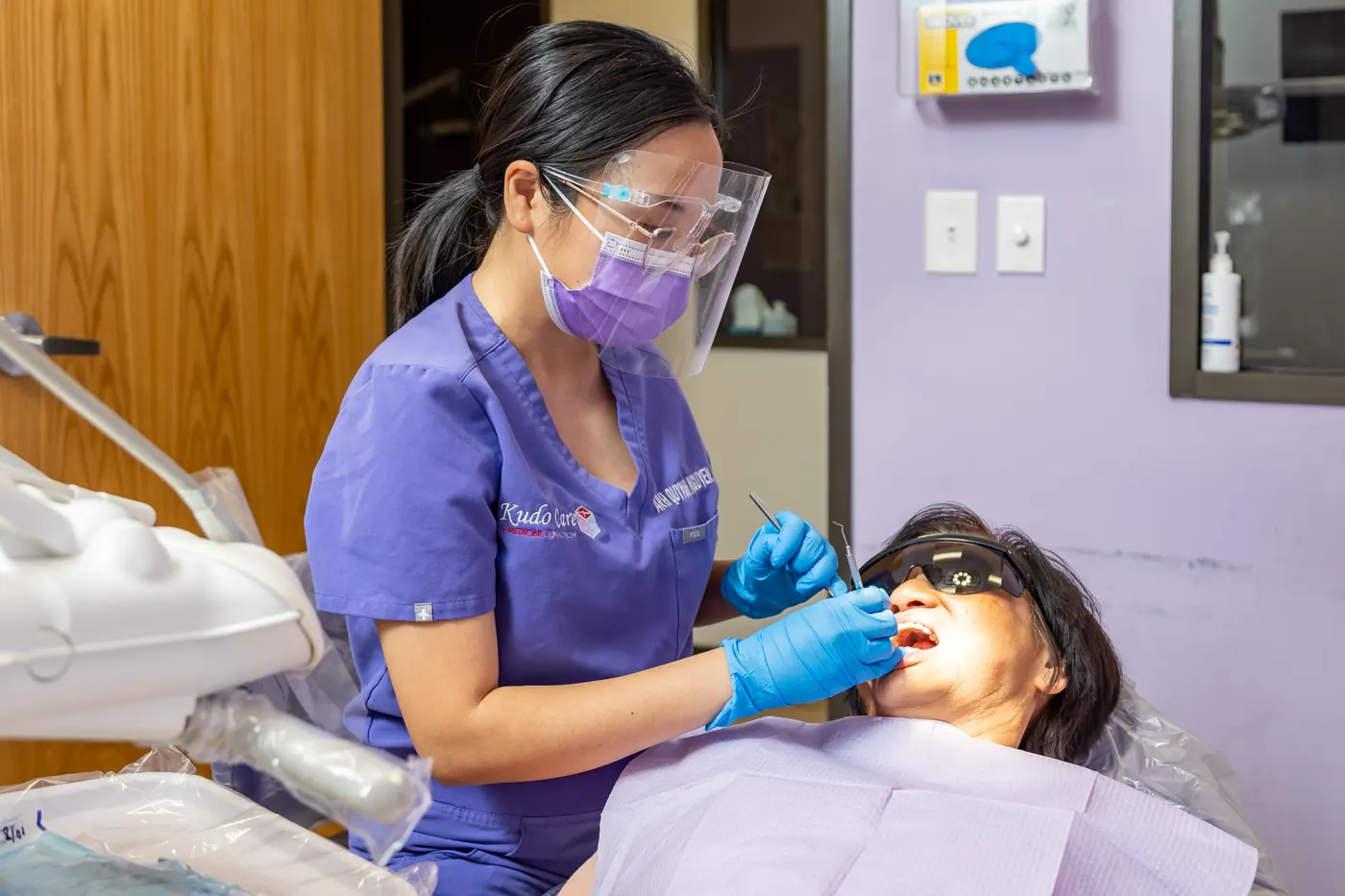
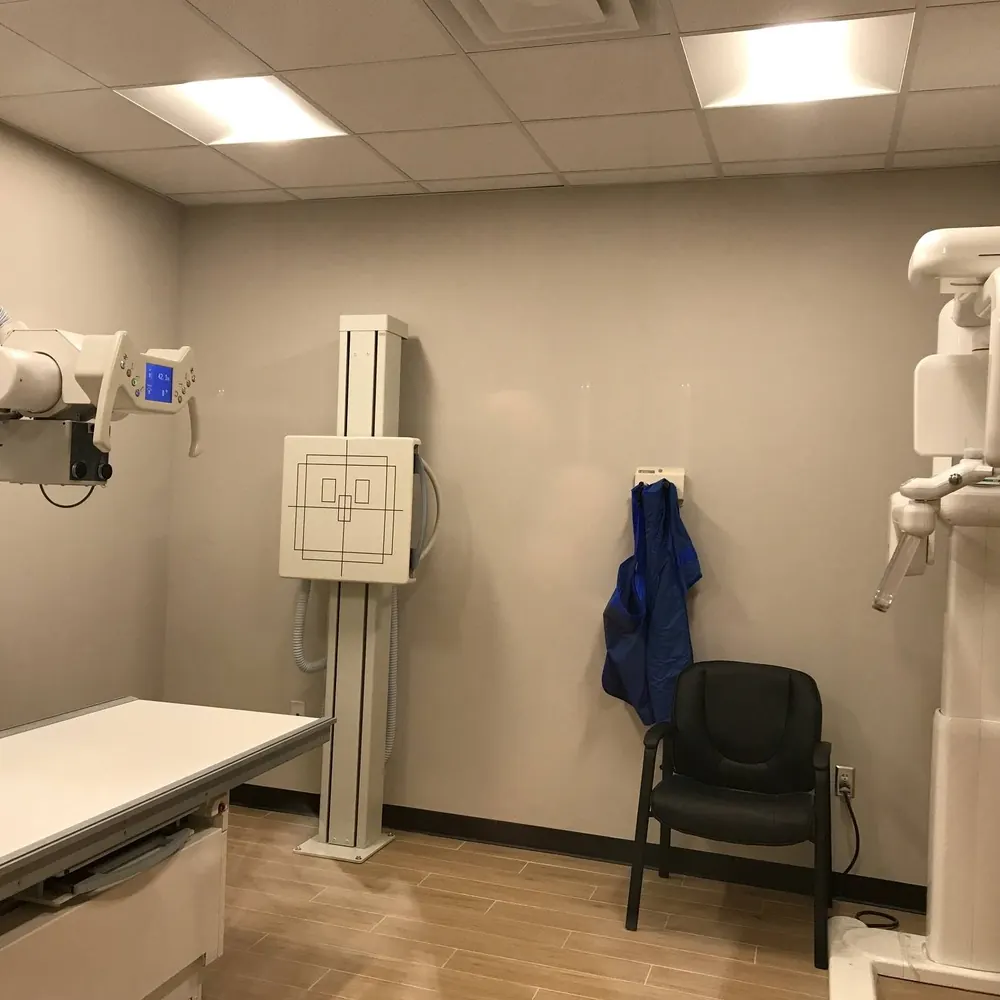
We’ll find the cause with an exam and digital x-rays, then focus on relief. Depending on what we find, that may mean a filling or temporary filling, starting a root canal to relieve pressure on an infected nerve, draining an abscess, or a tooth extraction when a tooth can’t be saved. We numb thoroughly, explain your options and give you a written estimate before treatment. Our walk-in dentist page explains how same-day visits work.
After hours: urgent care, ER or wait?
If it’s after 6 on Saturday or after 1 on Sunday, here’s how to decide:
- Any danger sign (spreading swelling, trouble breathing or swallowing, high fever): go to the ER now.
- Bad pain but no danger signs: use the home steps above and come in when we open—Sunday at 9 or Monday at 9.
- Urgent care can check you for infection and may prescribe medicine, but it usually can’t treat the tooth. You’ll still need a dentist.
A toothache rarely fixes itself. Getting it checked early usually means a smaller, less costly fix—and fewer ruined weekends. Learn more on our emergency dentist page.
How to avoid the next weekend toothache
Most weekend toothaches start as small problems that were easy to miss. A few habits help:
- Keep checkups and cleanings every six months, when cavities are still small and quick to fix.
- Don’t ignore new sensitivity. A zing with cold is often the first warning.
- Finish treatment you’ve started. A temporary filling or crown isn’t built to last.
- Ask about a night guard if you clench or grind—it helps protect teeth from cracks.
- Wear a mouthguard for contact sports.
Frequently asked questions
Is there a dentist open on Sunday in Irving?
Yes. Kudo Care Dental, across from Irving Mall at 3425 Grande Bulevar, is open Sunday 9 a.m. to 1 p.m. and Saturday 9 a.m. to 6 p.m. Walk-ins are welcome during open hours, and same-day appointments are available. Calling ahead at (469) 706-0710 helps us prepare, but it isn’t required.
What is the best thing to take for a toothache?
For most adults who can take them, an anti-inflammatory like ibuprofen or naproxen works well, and the ADA’s guideline supports pairing it with acetaminophen for short-term dental pain. Follow the label exactly, and ask a pharmacist if you’re pregnant, take blood thinners or have kidney, stomach or heart conditions. Pain relievers buy time; they don’t treat the cause.
Should I go to urgent care for a toothache?
Only if you can’t reach a dentist and need to be checked for infection. Urgent care can assess fever or swelling and may prescribe medicine, but it usually can’t repair or remove a tooth. For spreading swelling or trouble breathing or swallowing, go to the ER instead.
Can a toothache go away on its own?
Pain from irritated gums or trapped food can fade once the area is clean. Pain from a cavity, crack or infected nerve usually comes back, and a tooth that suddenly stops hurting may have a dead nerve with infection still present. If pain lasts more than a day or two, get it checked.
Related services

About the author: Dr. Carl Prince
Dr. Carl Prince earned his dental degree from Midwestern University in Glendale, Arizona, graduating magna cum laude. He is passionate about restoring smiles and helping patients feel confident, with a focus on aesthetic dentistry — especially crown and bridge work. Meet the team.