Key takeaways
- Remove wisdom teeth that cause pain, infection, decay, damage to neighboring teeth or cysts; healthy, well-positioned ones can usually stay.
- Wisdom teeth usually come in between ages 17 and 21, so regular X-rays in the teen years catch problems early.
- A 3D CBCT scan shows how close lower wisdom tooth roots sit to the nerve, which helps us plan a safer extraction.
- Most people feel much better in three to five days; avoiding smoking and straws helps prevent dry socket.
The short answer
Wisdom teeth should come out when they’re causing problems—pain, repeated gum infections, cavities you can’t clean, damage to the tooth in front, or a cyst—or when X-rays show trouble is developing. If they’ve come in straight, bite properly against the opposite teeth and you can keep them clean, you can usually keep them and simply have them checked at your regular visits.
Not every wisdom tooth needs to go. Here’s how to tell the difference, what removal involves, and how to recover smoothly.
When wisdom teeth come in, and what “impacted” means
Wisdom teeth are your third molars, the last teeth at the very back. According to the ADA’s MouthHealthy site, they usually come in between ages 17 and 21. Some people have all four, some have fewer, and some never develop them.
When there isn’t enough room, a wisdom tooth can get stuck, which dentists call impacted. It may stay completely under the gum or bone, come in at an angle and push against the molar in front of it, or break through only partway. That partial opening is a common trouble spot: a flap of gum traps food and bacteria where a toothbrush can’t reach.
Signs your wisdom teeth are causing trouble
- Pain or pressure at the back of your jaw, sometimes spreading toward your ear
- Swollen, tender or bleeding gums behind your last molar
- A bad taste or bad breath that keeps coming back
- Trouble opening your mouth all the way
- Food packing behind your back teeth
- Swelling along your jaw
Some problems cause no symptoms at all. Decay on the back of the second molar, bone loss or a cyst around a buried tooth often shows up only on an X-ray, which is why we keep an eye on wisdom teeth during routine exams. If pain flares on a weekend, our guide to weekend toothaches can help.
When you don’t have to remove them
Keeping wisdom teeth is usually reasonable when they:
- Have fully come in and sit upright
- Meet the teeth above or below them for chewing
- Can be brushed and flossed well
- Show no decay, gum pockets or changes on X-rays
A fully buried tooth with no signs of disease may also be watched rather than removed. Expert groups don’t all agree on removing healthy, symptom-free wisdom teeth “just in case,” so we look at your X-rays and your situation rather than following a blanket rule. The catch: the ADA notes that wisdom teeth should continue to be monitored, because problems can develop later and risks rise with age.
Why we use a 3D scan before removing lower wisdom teeth
The roots of lower wisdom teeth can sit close to the inferior alveolar nerve, which gives feeling to your lower lip and chin. A standard panoramic X-ray is flat, so it can make roots and the nerve look closer together, or farther apart, than they really are.
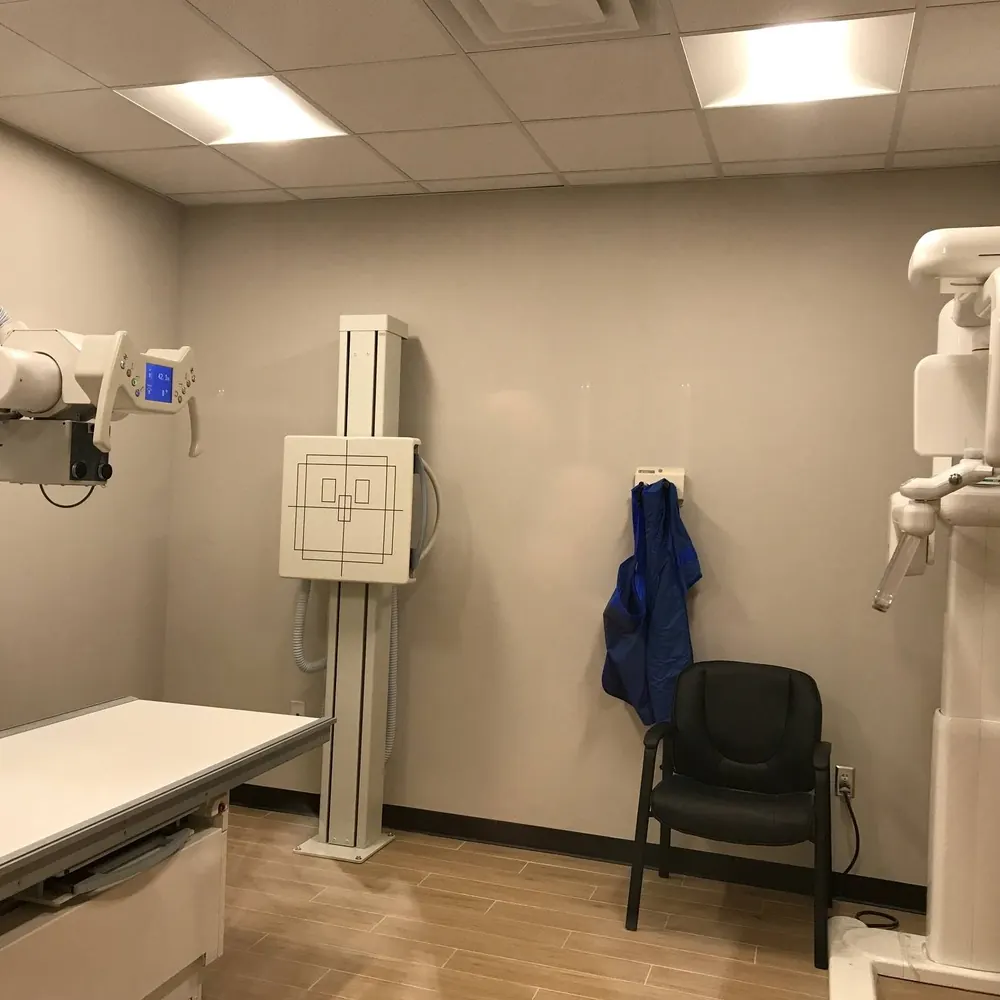
When a 2D X-ray suggests the roots are near the nerve, we take a 3D CBCT scan right in our office. It shows exactly where the roots, nerve and bone sit, so we can plan the safest approach. Numbness of the lip or chin after removal is uncommon and usually temporary, and careful planning helps keep that risk low. If a scan shows a tooth in an unusually risky position, we’ll talk with you honestly about every option, including a referral.
What extraction day looks like
Most wisdom tooth visits take about an hour or less, depending on how many teeth come out and how they’re positioned. Here’s the general flow for wisdom tooth removal:
- Before you come in: If you’re having sedation, follow our eating and drinking instructions exactly and bring a driver. If not, eat a light meal beforehand.
- Numbing: We numb thoroughly and check before we start. Most patients feel pressure, not pain, and we go at your pace.
- Removal: An erupted tooth may come out in one piece. An impacted tooth may need a small opening in the gum and may be taken out in sections, so less bone has to be removed.
- Finishing up: We may place dissolving stitches. Then you bite on gauze and go home with written aftercare instructions.
If you’re nervous, we offer sedation options; we’ll review which are appropriate for your health history. Dr. Chloe Kim, who focuses on extractions, explains each step before she does it, in English or Korean.
Recovery timeline
| When | What’s normal | What helps |
|---|---|---|
| First 24 hours | Oozing, numbness wearing off, soreness | Bite on gauze, rest, ice 20 minutes on and off, soft cool foods, no spitting or rinsing |
| Days 2–3 | Swelling and jaw stiffness peak | Pain relievers as directed; gentle warm salt-water rinses after the first 24 hours |
| Days 4–7 | Swelling fades; most people feel much better | Ease back toward normal foods; keep the area clean |
| 1–2 weeks | Stitches dissolve; gum closes over | Back to your usual routine |
| Weeks to months | Bone fills in underneath | Keep your regular checkups |
Many people take one to three days off from school or work. Avoid hard exercise for the first couple of days, and don’t brush the extraction sites directly on the first day; brush the rest of your teeth gently.
How to prevent dry socket
After an extraction, a blood clot forms in the socket and protects the bone and nerves underneath while it heals. A dry socket happens when that clot dissolves or gets dislodged too early. It usually shows up two to four days after surgery as a deep, throbbing pain that may spread toward your ear, often with a bad taste or odor. It’s more common after lower wisdom teeth are removed.
To protect the clot:
- Don’t smoke or vape for at least 72 hours; longer is better
- Skip straws for the first few days
- Don’t spit or rinse forcefully for the first 24 hours
- Stick to soft foods and chew on the other side
If you think you have a dry socket, call us. It’s very treatable: we gently clean the area and place a soothing medicated dressing, and most people feel relief quickly. We see same-day emergencies seven days a week during open hours.
Call 911 or go to the ER if you have bleeding you can’t control with firm pressure, swelling that spreads toward your eye or down your neck, trouble breathing or swallowing, or a high fever.
What wisdom teeth removal costs
Cost depends mostly on how the teeth are positioned. As typical DFW and national ranges, removing an erupted wisdom tooth often runs about $100–$350 per tooth, while surgical removal of an impacted tooth commonly ranges from about $250–$800 per tooth, with teeth fully covered by bone at the higher end. Sedation and a 3D scan, if needed, add to the total. For all four impacted teeth, the total can range from roughly $1,000 to $3,500 or more.
Your exact cost depends on the number of teeth, how deeply they’re impacted, imaging, sedation and your insurance; many PPO plans cover part of wisdom tooth removal. For teens 18 and under, we accept Texas Medicaid and CHIP dental, so ask us to check your child’s plan. We give you a written estimate before treatment. See insurance and financing for financing options, our guide to care without insurance, or book a consultation.
Frequently asked questions
What is the best age to remove wisdom teeth?
If wisdom teeth need to come out, many dentists prefer the late teens or early twenties, when the roots aren’t fully formed and healing tends to be quicker. But age alone isn’t a reason to remove healthy teeth. We base the decision on X-rays, symptoms and how the teeth are positioned, not on a birthday.
How long does wisdom teeth recovery take?
Most people feel much better within three to five days and are back to normal routines in about a week. Swelling usually peaks on day two or three. The gum closes over in one to two weeks, and the bone underneath keeps filling in for several weeks to months.
How do I know if I have a dry socket?
Dry socket usually shows up two to four days after an extraction as pain that gets worse instead of better, often throbbing toward your ear, with a bad taste or smell. You may see bone in the socket instead of a dark clot. Call us—it’s very treatable with a medicated dressing.
Do all four wisdom teeth have to come out at once?
No. Sometimes only the teeth causing problems need to come out, and healthy ones can stay. When several teeth need removal, doing them in one visit means one recovery instead of several. We’ll plan the timing around your health, comfort, schedule and budget.
Related services

About the author: Dr. Chloe Kim
With more than 15 years of experience in dental care, Dr. Chloe Kim brings a calm, hands-on approach to every visit. Originally from Seoul, South Korea, she focuses on extractions, cosmetic procedures and implants, and always takes the time to explain each step clearly and compassionately. Meet the team.