Key takeaways
- Prevention is the cheapest dentistry: a small filling today can save you from a root canal, crown or implant later.
- The Kudo Care Concierge Membership covers preventive visits, including dental cleanings, for a one-time $50 activation and a low monthly fee.
- Ask for a written estimate, then phase treatment so urgent needs come first and cosmetic work comes last.
- Kids 18 and under may qualify for Texas Medicaid or CHIP dental, and a toothache is cheaper to treat at a dental office than in the ER.
The short answer
You can keep dental care affordable without insurance by putting prevention first, joining a membership plan, asking for written estimates and phasing treatment, and spreading larger costs with financing. If you have kids, check whether they qualify for Texas Medicaid or CHIP, and if you have more time than money, a dental school clinic is another option.
The most expensive dental care is usually the care you put off. Here are seven practical ways Irving families keep costs under control, starting with the one that saves the most.
1. Put prevention first
Cleanings and checkups are the least expensive dentistry there is, and they’re how small problems stay small. A cavity caught early is a quick filling. The same cavity ignored for a year can reach the nerve and turn into a root canal and crown, or a lost tooth.
| If a cavity is caught… | Typical treatment | Typical cost (estimate) |
|---|---|---|
| Early | Tooth-colored filling | Often $150–$450 |
| Later | Root canal + crown (back tooth) | Often $2,000–$4,000 |
| Too late | Extraction + implant | Often $3,500–$6,500 or more |
These are typical DFW and national ranges, not our prices. Your exact cost depends on the tooth and what it needs, and we give you a written estimate before treatment. At home, brushing twice a day with fluoride toothpaste, cleaning between your teeth and cutting back on sugary drinks cost almost nothing and prevent a lot. Regular cleanings and exams do the rest.
2. Join the Kudo Care Concierge Membership
If you don’t have insurance, our membership was built for you. You pay a one-time $50 activation fee, then a low monthly fee. Membership covers preventive visits across dental, medical and vision care, including dental cleanings, and gives you discounts on other care.
It isn’t insurance, and it doesn’t try to be. The value is simple: a predictable monthly cost for the visits that keep your family healthy, plus savings if something else comes up. Because Kudo Care Center offers dental, medical and vision under one roof, one membership covers preventive care in all three. Ask our front desk for the current monthly fee and what’s included, or visit insurance and financing.
3. Get a written estimate and a phased plan
You should never be surprised by a dental bill. Before treatment, ask for a written estimate that lists each procedure and its cost. Then ask the questions that help you prioritize:
- Which of these is urgent, and which can safely wait a few months?
- What could happen if I wait?
- Is there a less expensive option that still works well? For example, silver amalgam fillings typically cost less than tooth-colored ones, and a partial denture costs less than implants.
Most treatment plans can be split into phases: first get out of pain and stop infection, then protect teeth at risk, then replace missing teeth, and save cosmetic work for last. Spreading treatment over several months can make a big plan manageable without letting anything urgent slide.
4. Spread larger costs with financing
For bigger treatment like crowns, root canals or implants, financing lets you start now and pay over time. We offer Cherry, Affirm and CareCredit, each subject to credit approval. Compare the monthly payment and the total cost, and read the terms closely, especially what happens if a promotional balance isn’t paid off in time.
If you have a health savings account (HSA) or flexible spending account (FSA) through work, you can generally use it for dental treatment such as cleanings, fillings, crowns and dentures. Purely cosmetic work like teeth whitening usually doesn’t qualify.
5. Check Texas Medicaid and CHIP for your kids
Many working families don’t realize their children qualify. Texas Children’s Medicaid and CHIP include dental coverage for kids and teens, including checkups, cleanings, fluoride, sealants and fillings, and we accept both for patients 18 and under. You can apply at YourTexasBenefits.com or by calling 2-1-1. CHIP may have small copays for some services.
Our guide to Medicaid and CHIP dental for kids walks through eligibility and coverage, and our children’s dentistry page explains what a visit looks like.
6. Treat a toothache before it becomes an ER bill
When a tooth starts throbbing on a Saturday night, the ER can feel like the only option. But most emergency rooms don’t have a dentist on staff. They can usually offer pain relief and sometimes antibiotics, then send you to a dentist anyway, and the ADA reports that ER visits for dental problems cost about three times as much as a dental visit.
We’re open seven days a week, including Wednesday evenings until 7 and Sunday mornings, and we welcome walk-ins for dental emergencies during open hours. Call (469) 706-0710 as soon as pain starts; treating it early is almost always cheaper. Our guide to telling whether it’s a dental emergency can help you decide what to do.
Call 911 or go to the ER if facial swelling spreads toward your eye or neck, you have trouble breathing or swallowing, a high fever, bleeding you can’t control, or a possible broken jaw.
7. Consider a dental school clinic
If your schedule is flexible and your treatment isn’t urgent, dental school clinics offer care at reduced fees. In our area, the Texas A&M University School of Dentistry in Dallas runs student clinics where dental students provide care under the supervision of licensed faculty.
The trade-offs are real: you’ll usually need a screening appointment, not every patient is accepted, and visits take longer because an instructor checks each step. Community health centers with sliding-scale fees are another option. For anything urgent, or if you’d rather have care close to home on your schedule, start with a conversation with us. New patients can call us for the price of a first visit, and you can book online any day of the week.
Frequently asked questions
How much does a dental cleaning cost without insurance?
In the DFW area, a new adult patient exam, x-rays and routine cleaning often range from about $150 to $400 without insurance. The total depends on which x-rays you need and whether you need a deep cleaning instead of a routine one. The Kudo Care Concierge Membership covers preventive visits, including dental cleanings, for a one-time $50 activation and a low monthly fee.
Is a dental membership plan the same as insurance?
No. A membership is an arrangement directly with the practice: you pay a set fee and get covered preventive visits plus discounts on other care, with no insurance company in the middle. It’s designed for people without insurance, and it works best when you actually use it, so keep those preventive visits on the calendar.
Does Kudo Care Dental accept Medicaid for adults?
Our Medicaid and CHIP dental participation is for children and teens 18 and under. Adults without dental coverage can use the Kudo Care Concierge Membership, financing through Cherry, Affirm or CareCredit, or a phased treatment plan. We also accept most PPO dental plans if you have coverage through work.
Can I get a payment plan for dental work?
Yes. We offer financing through Cherry, Affirm and CareCredit, subject to credit approval. Each has different terms, so compare the monthly payment and total cost before you choose. We’ll give you a written estimate first so you know exactly what you’re financing.
Are dental school clinics really cheaper?
Usually, yes. Fees at teaching clinics like the Texas A&M University School of Dentistry in Dallas are typically lower because students provide care under faculty supervision. The trade-off is time: expect a screening appointment, longer visits and more of them. They’re best for non-urgent care when your schedule is flexible.
Related services
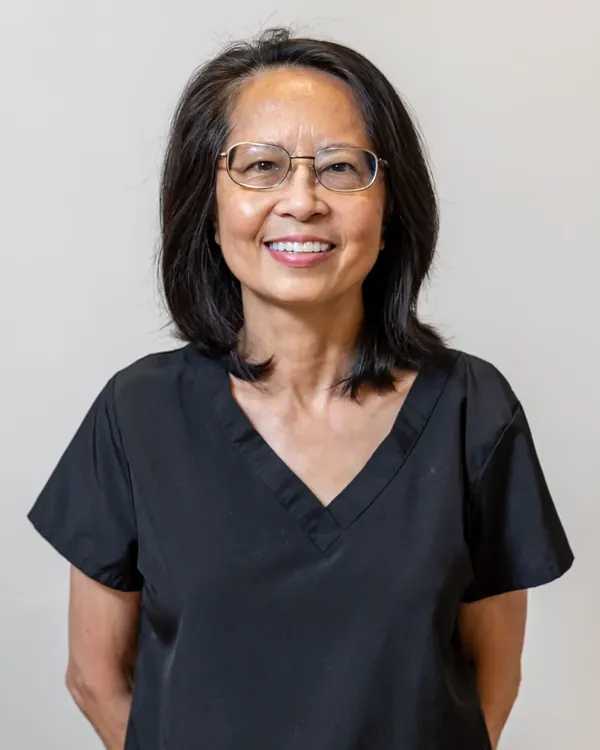
About the author: My Phuong Tran
My Phuong believes oral health is a life skill everyone deserves to understand. As a registered dental hygienist, she is passionate about educating patients in a way that feels kind, calm and clear. Meet the team.