Key takeaways
- The link runs both ways: diabetes raises the risk of gum disease, and gum disease can make blood sugar harder to control.
- Treating gum disease with a deep cleaning lowered HbA1c by about 0.4 percentage points on average in a 2022 Cochrane review.
- Bleeding, puffy or receding gums, bad breath that lingers and loose teeth are warning signs worth a prompt visit.
- At Kudo Care, your dentist and your primary care team are in the same building and can coordinate when you want them to.
The short answer
Diabetes and gum disease affect each other in both directions: high blood sugar makes gum disease more likely and more severe, and gum infection can make blood sugar harder to control. The encouraging part is that treating gum disease can modestly improve blood sugar control, which makes your dental visits a real part of your diabetes care.
November is National Diabetes Month, a good time to look at the part of diabetes care that often gets skipped. According to the CDC, about 60% of U.S. adults with diabetes saw a medical provider in the past year but didn’t see a dentist.
Why diabetes makes your gums more vulnerable
The National Institute of Diabetes and Digestive and Kidney Diseases (NIDDK) explains it this way: diabetes can change your saliva, and extra glucose in saliva feeds the bacteria that form plaque. When plaque hardens into tartar near the gumline, it irritates the gums and can lead to gum disease. High blood glucose also raises the risk that mild gum disease progresses to severe gum disease.
Diabetes can also slow healing and make it harder to fight infection. Add dry mouth, which is common with diabetes and with some medications, and there’s less saliva to rinse bacteria away. The CDC reports that adults with diabetes are 40% more likely to have untreated cavities than adults without it.
How gum disease can push blood sugar up
Gum disease is a chronic infection with ongoing inflammation. Researchers believe that inflammation can make it harder for your body to use insulin well, which helps explain why NIDDK notes that some mouth problems can make diabetes worse.
The flip side is promising. A 2022 Cochrane review pooled 35 studies of people with diabetes and gum disease. Those who received professional gum treatment—cleaning below the gumline—saw their HbA1c drop by about 0.4 percentage points on average after three to four months, compared with people who had no treatment or usual care. The reviewers rated the evidence as moderate certainty. That’s a modest change and no substitute for diabetes medicine, but it’s a real benefit from treatment that also protects your teeth.
Warning signs to watch for
Gum disease often doesn’t hurt in its early stages, which is why it’s easy to miss. Watch for:
- Gums that bleed when you brush or floss
- Red, puffy or tender gums
- Gums pulling away from your teeth, making teeth look longer
- Bad breath or a bad taste that won’t go away
- Teeth that feel loose, or new gaps between teeth
- Pus between your teeth and gums
- A dry mouth, or white patches that could be thrush
Bleeding gums aren’t normal, even if they’ve bled for years. If you notice any of these, book a checkup rather than waiting for your next routine visit. Advanced gum disease is one of the main reasons adults lose teeth, and a loose tooth is much harder to save (see root canal vs. extraction).
Diabetes can make infections harder to fight. Call 911 or go to the ER if facial swelling spreads toward your eye or neck, you have trouble breathing or swallowing, or you have a high fever.
Why deep cleanings help
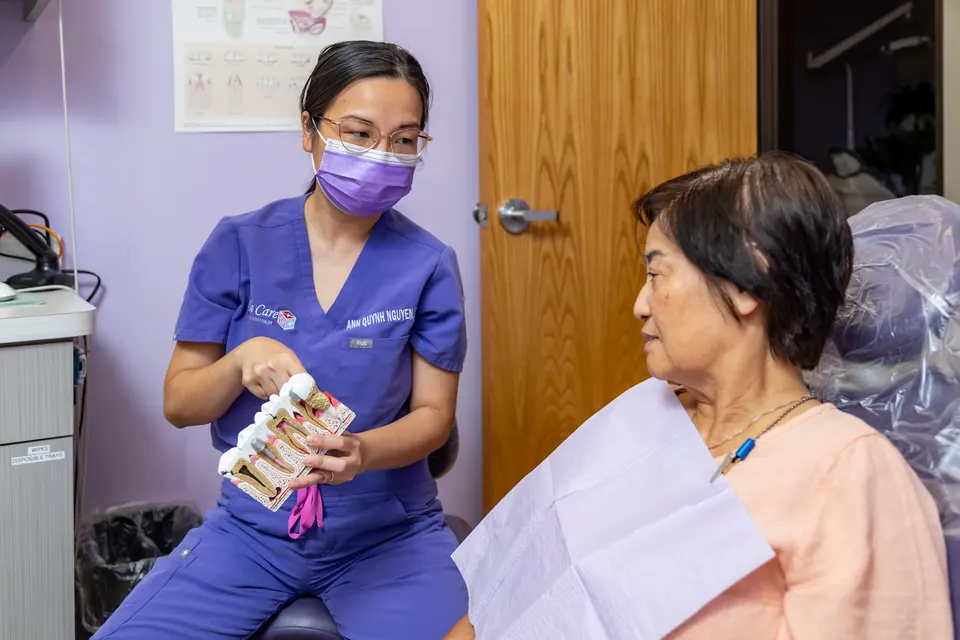
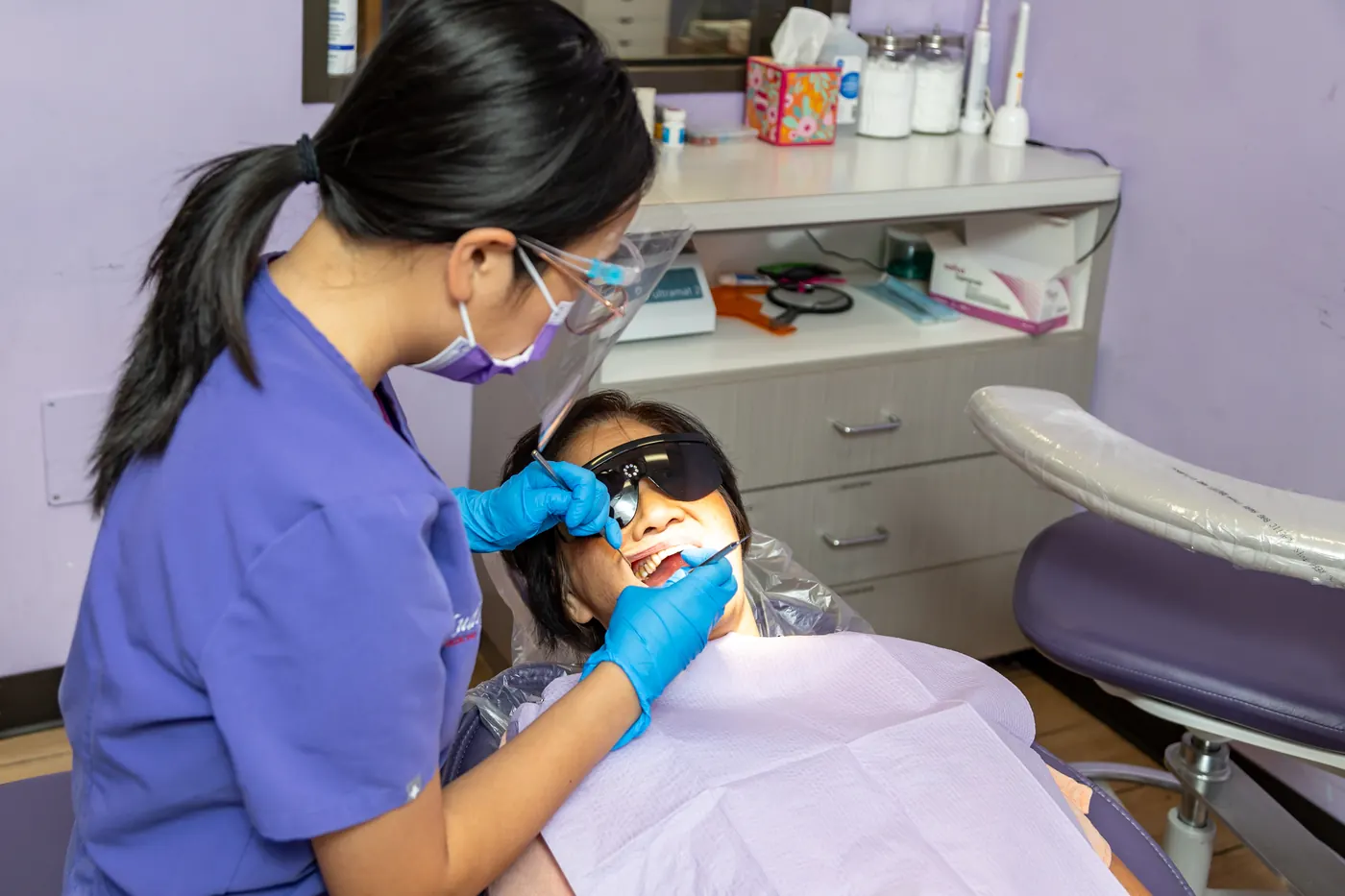
A regular cleaning removes plaque and tartar above and just below the gumline. Once gum disease creates deeper pockets around your teeth, bacteria and hardened tartar settle on the root surfaces, where a toothbrush and a routine cleaning can’t reach. That’s when we recommend scaling and root planing, usually called a deep cleaning.
Here’s what it involves:
- We numb the area thoroughly and usually treat one side of your mouth at a time, often over two visits
- We remove tartar and bacteria from the root surfaces below the gumline
- We smooth the roots so the gums can heal and tighten back against the teeth
- We re-measure your gum pockets at a follow-up visit to see how they responded
After that, many people with gum disease do best with maintenance cleanings every three to four months rather than twice a year. If some pockets don’t heal fully, treatments such as gingivectomy or bone grafting may help. Our chairs have a built-in piezo scaler designed to be quieter and smoother.
Your dentist and your doctor, down the hall
At Kudo Care Center, the dental team shares a building with primary care—Dr. AJ Nguyen, Dr. Ryan Kim and our nurse practitioners—and with optometry. This isn’t a formal program. It simply means that when you want us to, your dentist and your doctor can coordinate easily.
In practice, that can look like:
- Sharing your latest A1c and medication list, with your permission, so we can plan treatment safely
- Checking in with your doctor before oral surgery or more involved dental work, as NIDDK recommends
- Booking dental and medical visits on the same day when times line up, so it’s one trip instead of two
- Letting your doctor know when we see signs of gum disease, so it’s part of the whole picture
We’re open seven days a week and our team speaks English, Spanish and Vietnamese, which makes it easier to keep both kinds of care on track. If you don’t have insurance, the Kudo Care Concierge Membership covers preventive visits across dental, medical and vision—see insurance and financing or our guide to dental care without insurance.
Everyday tips to protect your gums
- Keep your glucose in your target range. Better control lowers the risk that gum disease gets worse. Your doctor can help you set that target.
- Brush twice a day with fluoride toothpaste and clean between your teeth daily. Floss, interdental brushes or a water flosser all work. Pick the one you’ll actually use.
- Eat and take your medicine as usual before dental visits unless we or your doctor tell you otherwise, and bring a snack or glucose tablets. Tell us right away if you feel shaky or lightheaded in the chair.
- Tell us about changes. New medications, a higher A1c or a recent hospital stay all affect how we plan your care.
- Quit tobacco. Smoking raises the risk of both gum disease and diabetes complications. Free help is available at 1-800-QUIT-NOW.
- Fight dry mouth. Sip water through the day, chew sugar-free gum, and ask us about products that help.
Most of all, keep your cleanings on the calendar. If you’re new to Kudo Care, start with our new-patient guide or book online.
Frequently asked questions
Can gum disease raise your blood sugar?
It can make blood sugar harder to control. Gum disease is a chronic infection, and the inflammation it causes appears to interfere with how your body uses insulin. Studies show that treating gum disease with a deep cleaning can lower HbA1c modestly, by about 0.4 percentage points on average after three to four months.
How often should I get a dental cleaning if I have diabetes?
At least twice a year, and often every three to four months if you’ve been treated for gum disease. Your dentist and hygienist will recommend an interval based on how your gums measure at each visit, how well your blood sugar is controlled and how your home care is going.
Is a deep cleaning safe if I have diabetes?
Yes, for most people. Let us know your recent A1c and medications, eat and take your medicine as usual unless told otherwise, and bring a snack. If your diabetes isn’t well controlled or you’re planning more extensive work, we may check in with your doctor first, as NIDDK recommends.
Will treating gum disease cure my diabetes?
No. Gum treatment doesn’t replace diabetes medication, healthy eating or exercise. It removes a source of ongoing infection and inflammation, which can modestly help blood sugar control while protecting your teeth and bone. Think of it as one helpful piece of your overall diabetes care.
Can I see my dentist and doctor on the same day at Kudo Care?
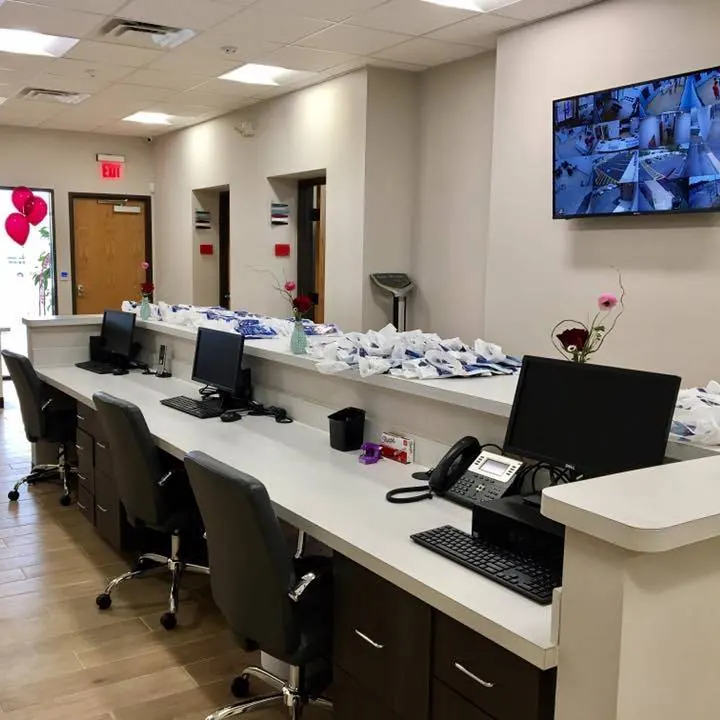
Our dental and primary care teams are in the same building at 3425 Grande Bulevar, across the street from Irving Mall. Ask the front desk about booking both on the same day when times are available. With your permission, the teams can also share information to coordinate your care.
Related services

About the author: Dr. Anh Nguyen
Dr. Anh Quynh Nguyen has been practicing dentistry since 2013, with a special interest in dental implants and in helping patients feel confident in their smiles. She grew up in Vermont before her family moved to Texas when she was nine, and she has been passionate about patient care and teamwork ever since. Meet the team.